

What Eye Health Risks Can You Inherit from Your Father?
On Father’s Day, we celebrate our dads, grandfathers, uncles, and other fatherly figures who helped shape our lives. Whether your father taught you how to ride a bike or grill the perfect burger, he may also have passed down something less visible: Your risk for...
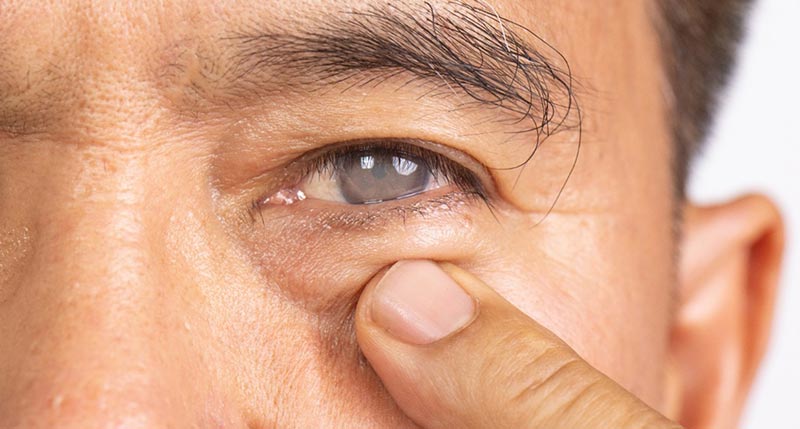
7 Cataract Myths That Could Put Your Vision at Risk
June is Cataract Awareness Month, an ideal opportunity to clarify fact from fiction when it comes to one of the most common eye conditions that impacts adult vision. Cataracts affect millions of Americans, yet myths about who gets them, what causes them, and whether they can be prevented often keep people from protecting their eyesight. In our...

5 Tips for My Younger Self to Prevent AMD
5 Tips for My Younger Self to Prevent Age-Related Macular Degeneration Who among us doesn’t wish we could step back in time and change things we did when we were younger? Maybe you bought a cool but cheap car that turned out to be a lemon, caused an accident...

How To Reduce Your Risk for Eye Cancer
How To Reduce Your Risk for Eye Cancer (And All Cancers) February is National Cancer Prevention Month: A great time to review practical ways to reduce your risk for becoming a cancer statistic. The National Cancer Institute estimates that 2 million Americans were...

6 Winter Eye Wellness Tips
With winter comes dropping temperatures, cold winds, and low humidity — all of which bring unique challenges to caring for your eyes and vision. Though you might be tempted to ignore cold weather eye symptoms, don’t! Be aware of symptoms including eye...

Glaucoma Myths vs. Reality: 10 Things You Need to Know
January is Glaucoma Awareness Month. Glaucoma is a serious eye condition, but it isn’t widely understood. Called the “silent thief of sight,” glaucoma is a group of diseases that raise eye pressure and slowly damage the optic nerve, causing permanent...

How to Protect Your Eyes and Celebrate Safely This Holiday
It’s the MOST wonderful time of the year (cue the music) -- and it’s all about the hustle and bustle of getting a lot of things done in a short period of time! Unfortunately, most of us don’t take the time to think about the potential hazards to our...

Flex 125 Spending Account Funds: Time to Use it Or Lose It
5 Scenarios To Avoid Next Year By Using Your Flex 125 Funds Today Why Your Flex Savings Account is a Tax Savings Superhero for Eyewear It’s the Holiday Season! Everywhere you look, there are decorations, lights, and people in good spirits! What a wonderful time...